

Together for a healthier world
Getting to WHX Lagos
Nigeria
Welcome to Lagos
As one of Africa's largest cities, Lagos is a major commercial and financial hub, with a thriving arts and entertainment scene, and a vibrant culture buzzing with diverse communities.
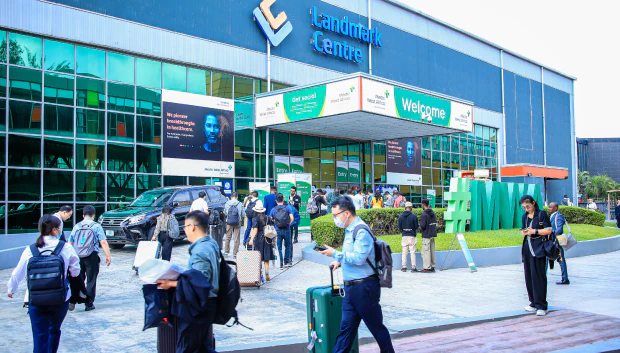
World Health Expo Lagos
Exhibition timings
Monday, 2 June: 10am - 5pm
Tuesday, 3 June: 10am - 5pm
Wednesday, 4 June: 10am - 4pm
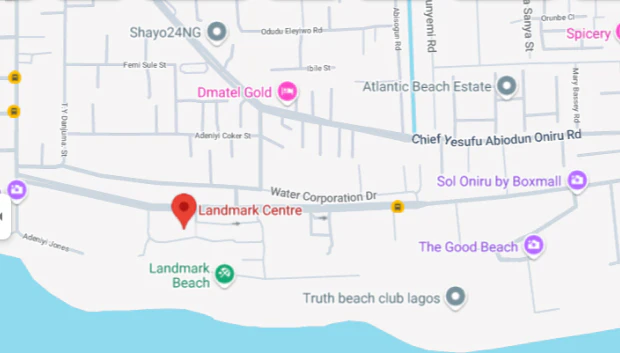
Finding your way
Landmark Centre
Address: Plot 2 & 3, Water Corporation Dr, Victoria Island, Annex 106104, Lagos, Nigeria
01
Where to stay
Want to stay near the venue? We've got special discounts reserved for World Health Expo attendees and exhibitors in the heart of Lagos. Make sure to book your accommodation in advance to secure the best spot.

02
Visa details
You can now apply online for a Nigerian visa from anywhere in the world. Alternatively, you can opt for Visa on Arrival, but we recommend getting an approval document from a Nigerian embassy or consulate prior to your travel to Nigeria.
How to apply for a Nigerian visa
- 01
Head over to the online immigration portal and create an account.
- 02
Fill in the application form. You'll need to provide details about your personal, passport, and travel information.
- 03
Pay the application fee.
- 04
Wait for your visa to be approved.
03
Sights to see in Lagos
From the Makoko Floating Community to the Lekki Conservation Center, there's plenty to experience in Lagos. Make sure to tick off some of the top tourist attractions in this vibrant city before you leave.
Car rental
Renting a car is the best way to get around Lagos — especially if you're on a tight schedule. Car rentals start from around $120 per day.

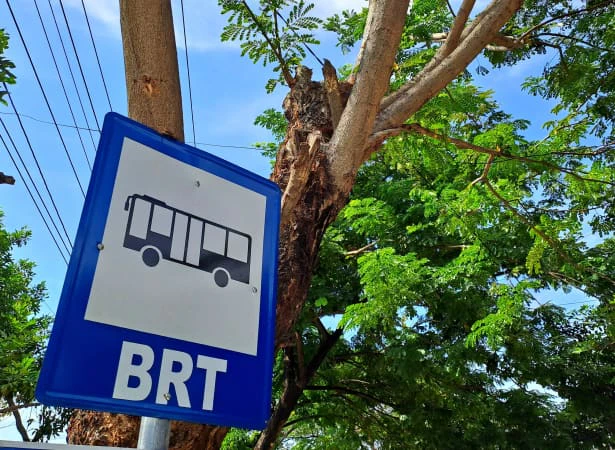
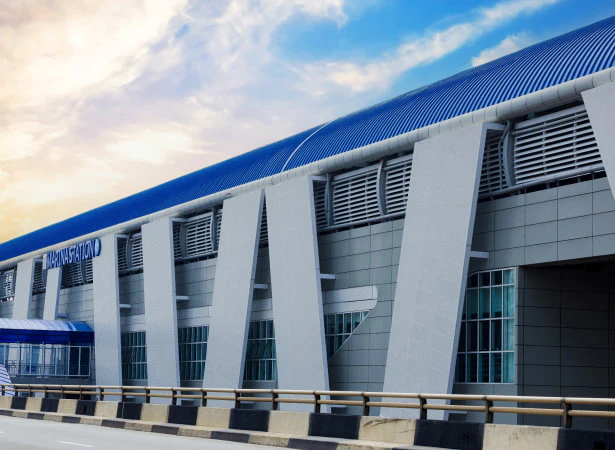
BRT City bus
The BRT and LBSL buses are air-conditioned, and a trip costs around $1.33. Payments are made with a public transport card, not cash.
Lagos Light Rail
The blue and red lines stop at 22 stations in Lagos with one trip costing around $0.50. Three more lines are expected to be added in the future.
Lagos travel FAQs
Travelling to Lagos for the first time? Here are some of the most common questions people ask.
While Lagos, like any large city, has its challenges, it is generally safe for tourists to visit. It's important to exercise caution, be aware of your surroundings, and follow standard safety guidelines for travelers.
The best time to visit Lagos is during the dry season, which runs from November to March. This is when the weather is pleasant and there is less rainfall. However, Lagos can be enjoyable year-round, with each season offering its own unique charm.
- Lekki Market: A bustling market with a variety of goods, including textiles, handicrafts, and souvenirs.
- Nike Art Gallery: One of Africa's largest contemporary art galleries, showcasing works by Nigerian and international artists.
- Lekki Conservation Centre: A nature reserve with a canopy walkway, a snake house, and beautiful gardens.
- Lagos Island: The historic heart of Lagos, with colonial-era buildings, museums, and cultural centers.
- Bar Beach: A popular beach for swimming, sunbathing, and enjoying the ocean breeze.
The local currency in Nigeria is the Nigerian Naira (NGN). It's important to exchange your currency for Naira before arriving in Lagos. ATMs are widely available throughout the city, but it's a good idea to have some cash on hand for smaller purchases.
There are several ways to get around Lagos:
- Taxis: Taxis are readily available throughout the city. Be sure to agree on the fare before starting your journey.
- Buses: Lagos has a network of public buses, including the BRT (Bus Rapid Transit) system, which is a convenient and affordable option.
- Uber and Bolt: These ride-hailing apps are popular in Lagos and offer a safe and convenient way to get around.
- Okada: These motorcycle taxis are a common mode of transportation in Lagos, but they can be dangerous and should be used with caution.